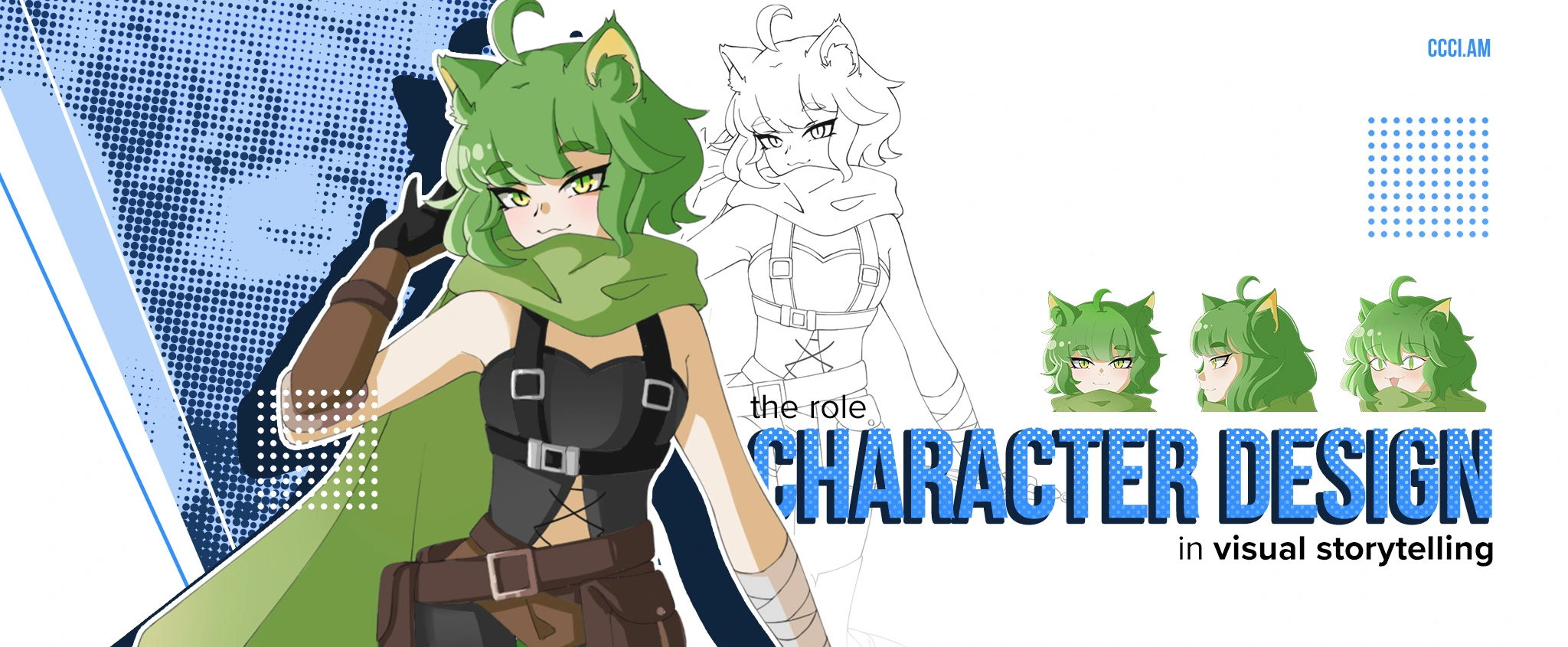
The Role of Character Design in Visual Storytelling
Key Takeaways
This guide is designed for manga creation studios and industry professionals who are looking to navigate the complex landscape of character design across the global market. It will help you learn about the strategic evolution of character development, the rise of professional manga character design, and why visual storytelling is the “make or break” factor for international success. CCCI helps studios launch their titles globally by providing expert creative direction and production support.
Table of Contents
- What Defines the Art of Character Design?
- The Evolution of Manga Character Design
- Why Character Development Rules the Narrative Space
- The Critical Role of Silhouette in Visual Storytelling
- Why Consistent Design is Non-Negotiable
- Benefits of Working with CCCI for Global Success
- Pro Tips
- Notes from a Professional
- Bottom Line
- FAQs
What Defines the Art of Character Design?
A professional character design is defined more by its ability to communicate intent and history than by its surface-level beauty. Unlike a static illustration or a portrait, the primary goal of this discipline is to unfold a story through a physical form.
While classic styles still have their place, most contemporary fans associate the medium with a blend of realism and expressive stylization. Whether you are building a legendary hero or a background manga character, the sense of visual identity remains the heart of the experience. The design acts as a silent ambassador for the story’s themes.
The Evolution of Manga Character Design
The history of the modern manga character is a journey from simple line work to deep, multi-dimensional realism. Earlier titles often relied on very basic archetypes to convey roles. However, with the improvements made in printing technology and digital tools, we saw the birth of complex character development that is mirrored in the art. It introduced physical traits that reflect internal trauma, joy, or growth and enhanced the overall narrative structure of the book.
Nowadays, visual styles often borrow from psychological traits, which results in some of the most popular intellectual properties in the world. Many gaming and manga studios now focus on creating “living designs” in which the setting and the character’s gear tell stories just as much as the dialogue does.
Why Character Development Rules the Narrative Space
Nowadays, the reason for the success of top-tier titles is the high replay value and dynamic engagement they offer through their casts. Character design is the initial hook that draws a viewer in, but the visual progression of that character is what keeps them invested over hundreds of chapters.
When it comes to the technical side, high-quality art continues to be a massive driver for franchise longevity. It enables complex world-building and creates a sense of stakes for the users to enjoy. Many professional studios push the boundaries of what is possible in digital illustration, often serving as the benchmark for the entire industry. By integrating personality into every button, stitch, and strand of hair, designers create a character that feels like a breathing entity.
The Critical Role of Silhouette in Visual Storytelling
To get success globally, you cannot simply draw a person and hope for the best. You need to master visual storytelling and bring cultural context into the shapes of the characters in order to fulfill the needs of the target audience. The silhouette is the most basic form of communication in art. If a character is unrecognizable when turned into a solid black shape, the design is likely, too cluttered or generic.
CCCI provides creative consultation and design services for every genre. We ensure that the soul of the character stays unchanged across various cultural lenses. A strong silhouette allows a character to stand out on a crowded bookstore shelf or a digital storefront.
Why Consistent Design is Non-Negotiable
Launching a new series is only the first step. To maintain a loyal community, you need excellent visual consistency. Readers in the global market expect a high level of polish in every single panel. If a reader encounters a version of a character that looks off-model or inconsistent, they want a quick return to quality so they can get back to the story.
Maintaining this level of detail requires a disciplined workflow. A character must look the same from the front, back, and side. They must maintain their proportions during high-speed action scenes. Without a professional approach to these technical details, even the best story can fail to gain traction. This is why character sheets and style guides are essential tools for any serious production house.
Benefits of Working with CCCI for Global Success
Working with CCCI offers studios a competitive edge because, apart from just providing artistic services, we act as a bridge between your creative vision and a global audience. Our experts have a deep understanding of the nuances required for manga character design and the specific linguistic needs of localized titles.
Pro Tips
When developing a new character, it is always good to keep the viewer’s journey in mind. Start your design process during the concept phase of development rather than waiting until the script is fully locked. This allows the art to influence the writing, often leading to more organic character development.
Additionally, if you are developing for a digital medium, ensure your color palette can handle different screen calibrations. Some colors, like deep purples or neon greens, can look vastly different on different devices. Flexible and robust color choices are a hallmark of a professional studio. Finally, always listen to your community because their emotional reaction to a design is the best roadmap for future character arcs.
Notes from a Professional
Having seen hundreds of titles enter the market, I can tell you that the difference between a “hit” and a “flop” often comes down to the small visual cues. I have seen beautiful projects fail because the protagonist felt generic or lacked a recognizable gimmick. Fans want to feel like the character was designed specifically for that world.
Publishers who partner with CCCI for their design and production needs consistently see higher engagement scores and better brand recognition. Your reputation is built on how well you treat your characters visually. If you treat them with care, the audience will do the same.
Bottom Line
The global market for stories is more competitive now. However, to truly capture a worldwide audience, you must prioritize quality in your character design and localization. CCC International offers professional manga and comic services to help you navigate these creative challenges.
Contact our team and take your vision to the global stage.
FAQs
How to make a good character design?
A good design starts with a strong silhouette and a balanced color palette. It should be simple enough to be recognizable but detailed enough to look professional and unique.
How to design a manga character?
Focus on the eyes and hair, as these are the most expressive parts of the style. Ensure the character has one or two key features that make them different from every other character in the genre.
What is character design?
It is the process of creating the visual appearance and the physical traits of a fictional person. It aims to reflect their personality and role within a specific story or game.
How many colors should a character design have?
Ideally, a character should use three main colors. One primary color for the body of the outfit, a secondary color for contrast, and an accent color for small details like eyes or jewelry.
What to avoid in character design?
Avoid over-designing with too many useless accessories. You should also avoid same-face syndrome that makes every character looks identical.